Murals that talk back
Forty metres of colour, eleven days of painting and three years of listening. The new public art is made with the people who live beside it.

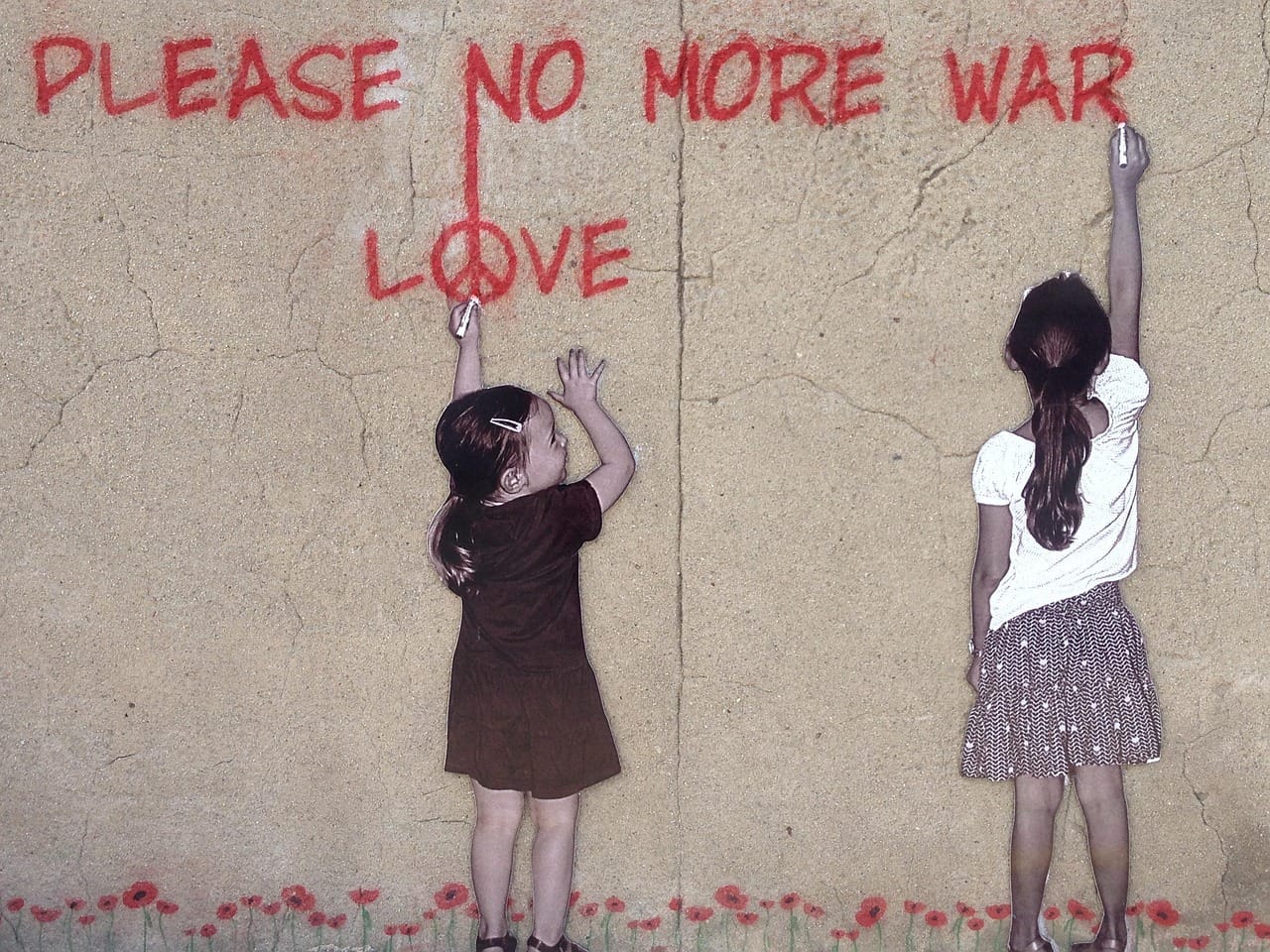
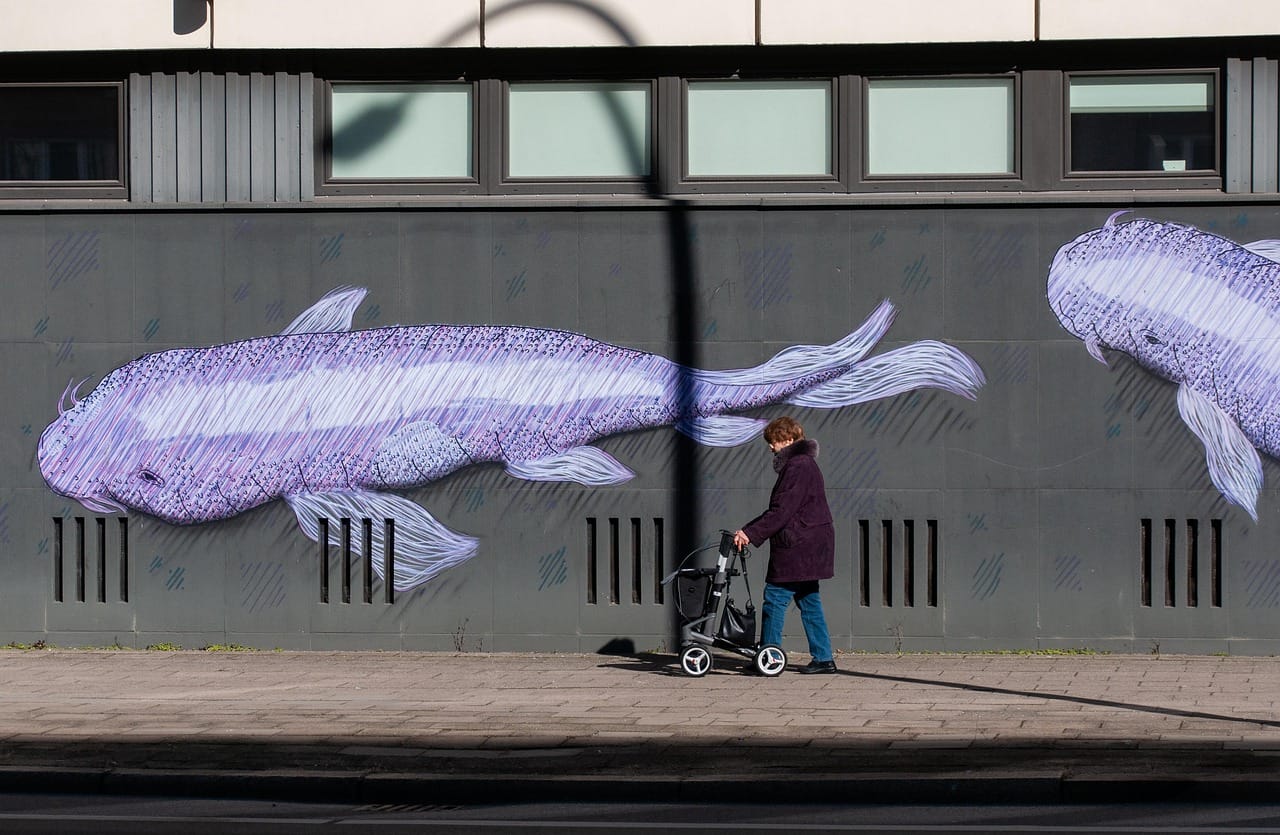
The wall used to be grey. For thirty years it was the side of a carpet warehouse, a long blank stretch of concrete that most people passed without noticing. Now it is forty metres of colour: a girl on a bicycle, a flock of paper birds, and a line of text in six languages that reads, simply, "We live here too."
It took eleven days to paint and three years to agree. That second number is the one that matters.
Art that asks permission
Street art has a long and proud history of not asking anyone. Graffiti began as an act of claiming space, and many of its most celebrated works were painted at night, fast, against the law. The new generation of community murals is different. They are commissioned, consulted, voted on and, crucially, made with the people who will look at them every day.
"The old model was: an artist has a vision, finds a wall, paints it, leaves," says Rosa Delgado, the lead artist on the warehouse wall. "The work might be brilliant, but it is a visitor. We wanted the wall to be a resident."
Three years of listening
The project began with a question on a noticeboard in the local library: what would you put on this wall? The answers came in on sticky notes, in drawings from the primary school, in long emails and in short, angry messages from people who wanted the wall left alone.
Delgado and her team held fourteen public meetings. They set up a table outside the supermarket every Saturday for two months. They translated everything into the six languages most spoken on the estate. By the end they had more than 1,200 responses, which they read, sorted and pinned to the walls of a borrowed shop.
The bicycle came from a nine-year-old. The birds came from a pensioner who folds paper cranes. The words came from everyone.
Rosa Delgado
Painting in public
Once the design was agreed, the painting became its own kind of event. Delgado worked with four assistants and a rotating group of volunteers, including teenagers from the youth club who were paid a proper day rate. People brought tea. A local cafe sent over sandwiches. Children stood at the barrier every afternoon after school, pointing out which bird was theirs.
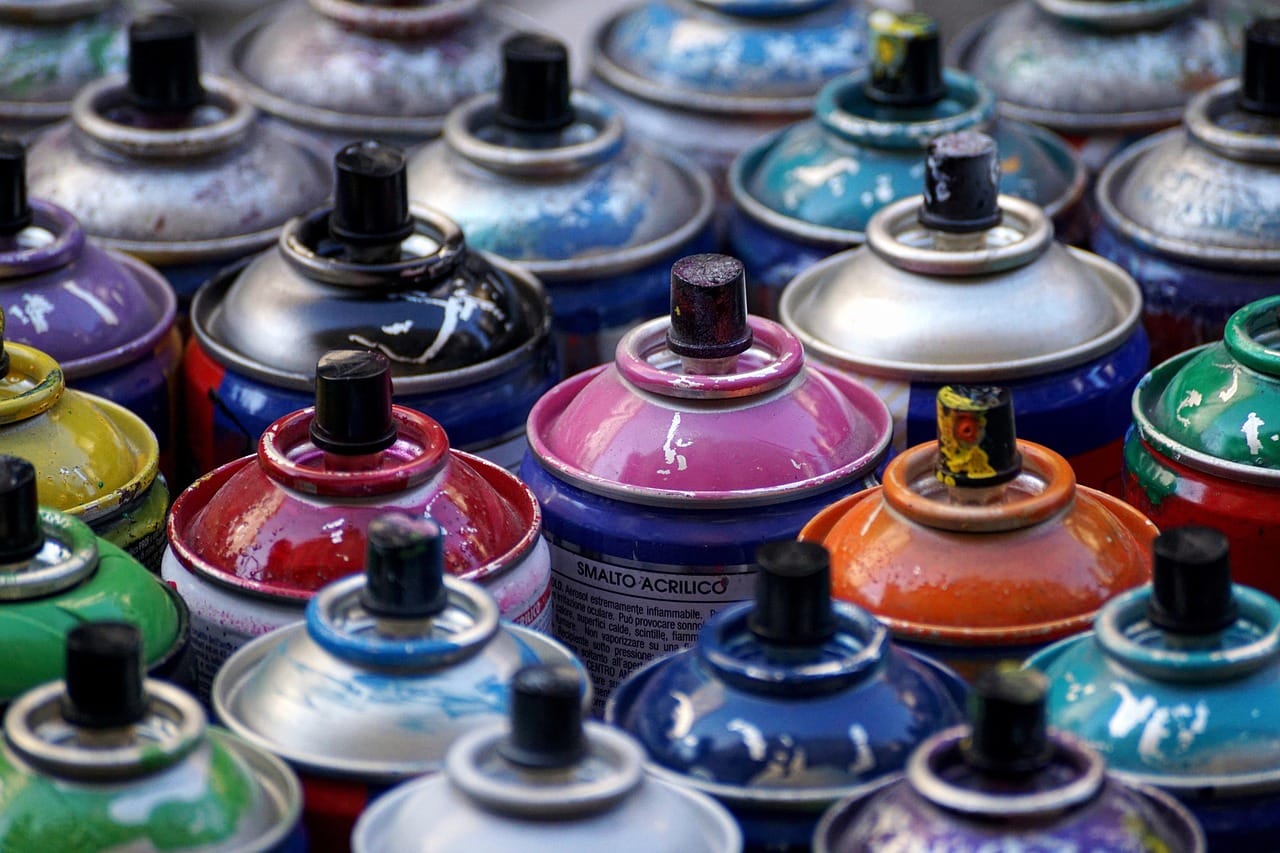
The painters used around 300 cans of spray paint and 90 litres of exterior emulsion. The colours were mixed to match a palette chosen by vote: a deep marigold, a turquoise that the estate's Somali residents said reminded them of the sea at Berbera, and a bright pink that nobody could quite explain but everybody wanted.
Does it change anything?
It is tempting to be cynical about public art. A mural does not fix a leaking roof or bring back a bus route. Critics argue that colourful walls can even speed up gentrification, making a neighbourhood look fashionable to outsiders and raising rents for those who already live there.
Delgado takes the argument seriously. "Art is never neutral. If we paint a wall and the only result is that property agents use it in their brochures, we failed." That is why the project included a legal agreement: the wall cannot be used in any commercial advertising, and the building's owner must consult the residents' association before painting over it.
What residents say
Not everyone loves it. A few people still think the wall should have stayed grey, and one resident told me the pink "makes my eyes hurt in the mornings." But the overwhelming response is pride. Children bring visiting relatives to see their birds. The pensioner who folds cranes has started teaching a class at the library.
"It is ours," says a woman walking past with her shopping. "Nobody gave it to us. We made it."
The design, piece by piece
The final design reads from left to right like a sentence. It opens with the girl on the bicycle, drawn from a sketch by a nine-year-old called Amira, pedalling out of a cluster of tower blocks painted in the estate's real colours. Behind her trail the paper birds, 212 of them, each based on a crane folded by the pensioner, a retired engineer called Mr Oduya, who spent a winter teaching the design team how to fold them properly.
The birds lift and scatter across the middle of the wall, becoming larger and brighter as they go. At the far end, they turn into letters, and the letters spell out the six-language line that ends the piece. The idea, Delgado says, was that the wall should be read at walking pace, from the bus stop to the shop.
The difficult meetings
Not every meeting went well. At the fourth public session, a group of residents argued that the money would be better spent fixing the lifts in the tower blocks. They were right, Delgado says, and she told them so. The mural's budget came from an arts fund that could not legally be spent on repairs, but the project team helped the residents' association write a separate grant application for the lifts. It succeeded. The lifts were fixed before the painting began.
"If we had ignored that meeting, the wall would have been a monument to people not being listened to," she says. "Instead it became part of a bigger conversation about what the estate needs."
The next wall
Delgado's team has now been asked to repeat the process on five more walls across the city. She has agreed to two, on one condition: each one takes as long as it needs. No fixed deadline, no pre-approved design, no photographs until the residents say so.
It is a slower way to make art. It is also, perhaps, the only way to make a wall that talks back.