The loudest room in the city lives underground
The small, sweaty clubs were supposed to be finished. They just moved downstairs — and they only let you in if you promise to pay attention.

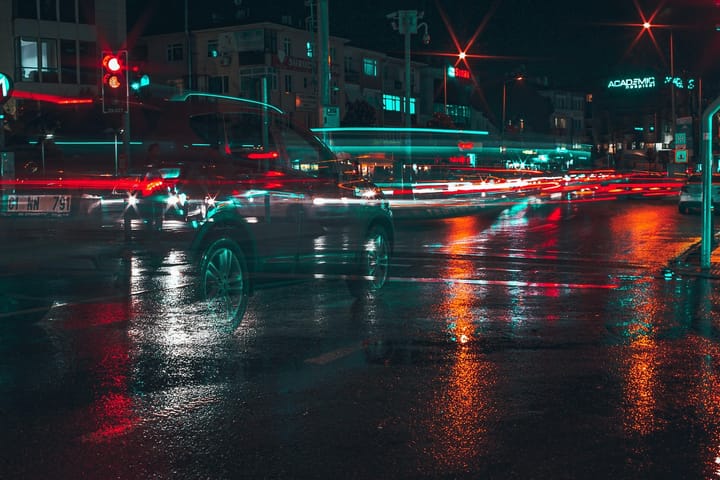
The door is unmarked. You find it because a queue of forty people is standing in the rain on a Tuesday, and nobody in the queue is looking at a phone. That, more than the bass leaking up through the pavement, is the first sign that something unusual is happening underneath this street.
For most of the last decade, the story of the city's nightlife was a story of closures. Rents went up, noise complaints piled up, and one by one the rooms that had raised three generations of dancers turned into flats, gyms and coffee shops with exposed brick. The clubs that survived did it by getting bigger, brighter and more expensive. The small, sweaty, slightly dangerous rooms were supposed to be finished.
They are not finished. They moved downstairs.
A room built out of spare parts
The club, which asked us not to print its name, lives in a former print works. The floor still has bolt holes where the presses stood. The bar is two doors laid across beer crates. The sound system, by contrast, is immaculate: a stack of hand-built cabinets that the resident engineer, a former theatre technician called Dele, spent eighteen months designing and tuning.
"People think a small room means a small sound," Dele tells me, shouting over a kick drum that I can feel in my back teeth. "It is the opposite. In a small room, every mistake is right in your face. You cannot hide a bad system behind volume."
The room holds 180 people. On a busy night it holds 180 people who have all decided, at roughly the same moment, that they are exactly where they want to be. There is no VIP area, no bottle service and, crucially, no photography. A sticker goes over every phone camera at the door.
The phone sticker is not about secrecy. It is about attention. Everybody here is paying attention to the same thing at the same time.
Ruth, co-founder
The economics of staying small
The founders, three friends who met working the door at a much larger venue, are frank about the numbers. The room breaks even at around 140 tickets. Anything above that pays the DJs properly, pays Dele, and goes into a fund for the next inevitable crisis: a broken amplifier, a new licensing rule, a landlord with ideas.
What makes it work is a membership scheme that looks a lot more like a local newsletter than a nightclub. Around 900 people pay a small monthly fee. In return, they get first access to tickets, a vote on which artists are booked next season, and a printed zine that arrives once a quarter. The members are, in effect, the landlord's insurance policy. They prove the room has a community behind it.
It is a model borrowed, openly, from independent publishing. "We looked at how small magazines survived the internet," says Ruth. "They stopped chasing everyone and started looking after the people who actually cared. We did the same thing, just with speakers."

Long sets and short attention spans
The DJs here play long. Four-hour sets are standard, and the closing slot on Saturdays has been known to run for six. That is a deliberate provocation in an era of ninety-minute festival slots and clips that last fifteen seconds.
"A long set lets you tell a story," says Amara K, who has held a monthly residency since the room opened. "You can start somewhere quiet and strange. You can lose people for twenty minutes and win them back. You can play a record nobody knows and let it breathe. None of that is possible when you have an hour and the next act is standing behind you with a USB stick."
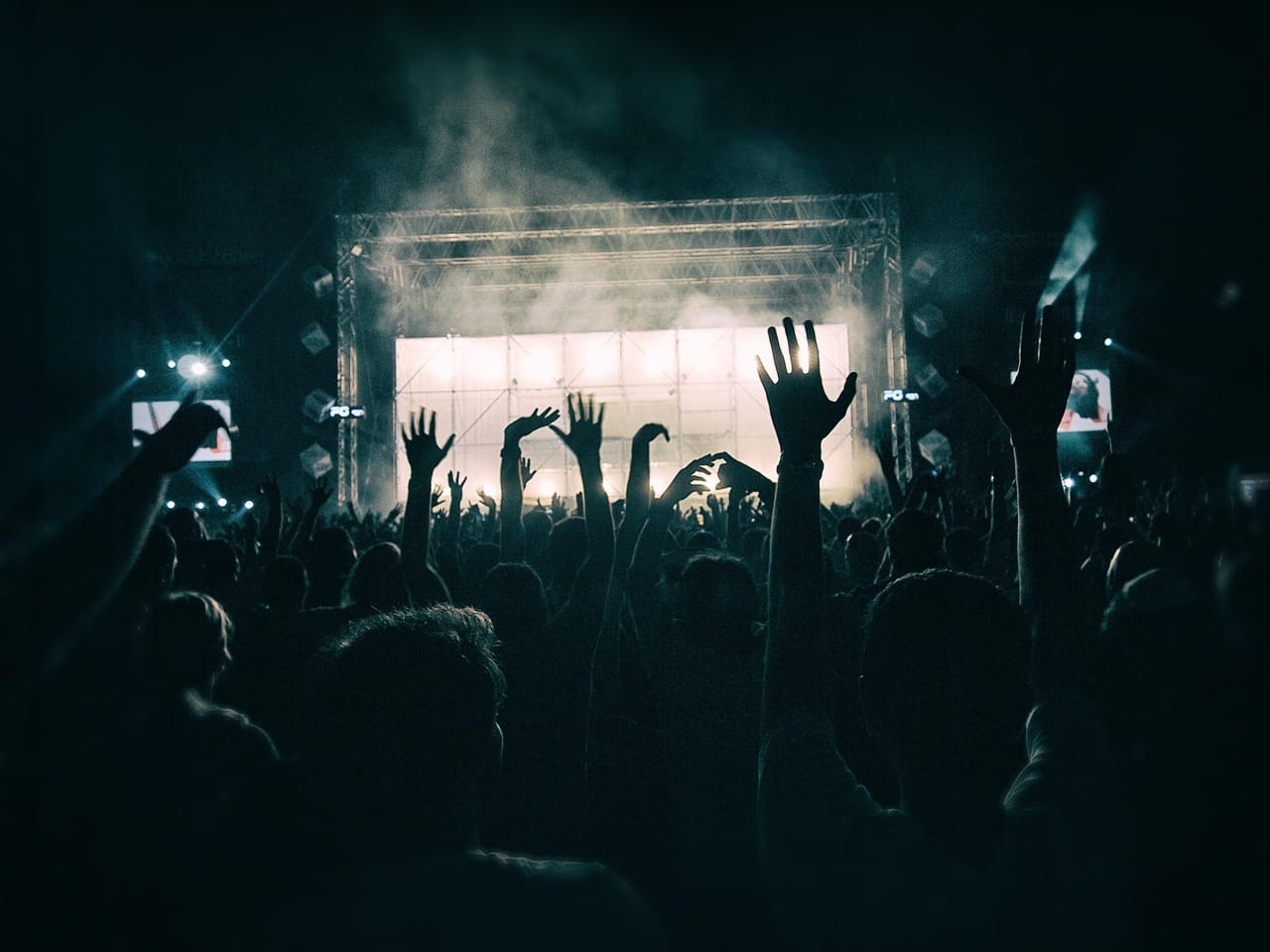
Watching her play is a lesson in patience. For the first hour the floor is half full and the music barely rises above a murmur: dubby, spacious, almost ambient. Then, somewhere around midnight, without any obvious signal, the room fills and the tempo climbs, and by one o'clock the walls are wet with condensation and a man in a knitted jumper is dancing on the bar with the solemn concentration of a monk.

Who the room is for
The crowd is younger than you might expect, and more mixed. There are students who have never known a city without closures, and there are people in their fifties who remember the rooms that closed. The door policy is simple and strictly enforced: be kind or leave.
Ruth says the room's most important employee is not the DJ or the engineer but the welfare officer, a trained nurse called Priya who walks the floor all night with a bag of water, earplugs and plasters. "If people feel safe, they relax. If they relax, they dance. If they dance, they come back. It is not complicated, but most places do not bother."
What happens next
The obvious question is whether the room can survive its own success. Word has spread. The queue is longer every month, and the founders have turned down two offers from larger promoters who want to "scale the concept" to other cities.
"There is no concept," Ruth says, with a patience that suggests she has explained this many times. "It is a room. It works because it is this room, with these people, in this basement. If we copy it somewhere else it becomes a brand, and then it is just another night out."
Instead, the founders are putting their energy into helping others. They run a free monthly clinic for would-be promoters, covering licensing, sound, safety and money. Three new rooms have opened in the past year with their help, each in a basement, each with its own members and its own rules.
A night in numbers
It is worth pausing on how much work goes into a single night. The doors open at ten, but the crew arrives at four in the afternoon. Dele spends two hours walking the room with a measurement microphone, checking that the bass has not shifted since last week. The bar staff stock 1,400 cans of water and soft drinks, because the room sells more water than beer. Priya checks her kit. The door team is briefed on who is on the guest list, who is banned and why.
By the time the first DJ plays, the room has already been running for six hours. By the time the lights come up, it will have been fourteen. Everybody is paid, including the volunteers who sweep the floor at five in the morning. That, the founders say, is not generosity. It is the only way to keep good people.
The neighbours
A basement club under a residential street should be a recipe for complaints. In the first month there were several. The founders responded by knocking on every door within a hundred metres, handing out their personal phone numbers and inviting neighbours to come and listen from their own living rooms while Dele adjusted the system.
He built a floating floor, a second ceiling and a sound lock at the entrance, two sets of doors with a corridor between them so that no sound escapes when people come and go. The work cost more than the speakers. Complaints have dropped to almost zero, and two of the neighbours are now members.
"The old clubs died because they fought their neighbours," says Ruth. "We decided to make friends with ours. It is cheaper than lawyers."
The last record
At four in the morning the lights come up, slowly, and Amara plays something with strings on it. Nobody leaves. People stand in the middle of the floor, damp and blinking, holding onto each other and to the moment. Then the song ends, and the room exhales, and 180 people climb the stairs back into a city that has no idea they were there.
Outside, it has stopped raining. The queue has gone. The door is unmarked again.
For a scene that was supposed to be dead, it looks remarkably alive. It just lives downstairs now, and it only lets you in if you promise to pay attention.