Synths, sweat and the analogue comeback
Analogue synthesisers were meant to be obsolete by 2005. Twenty years on, they are the most wanted instruments in electronic music.

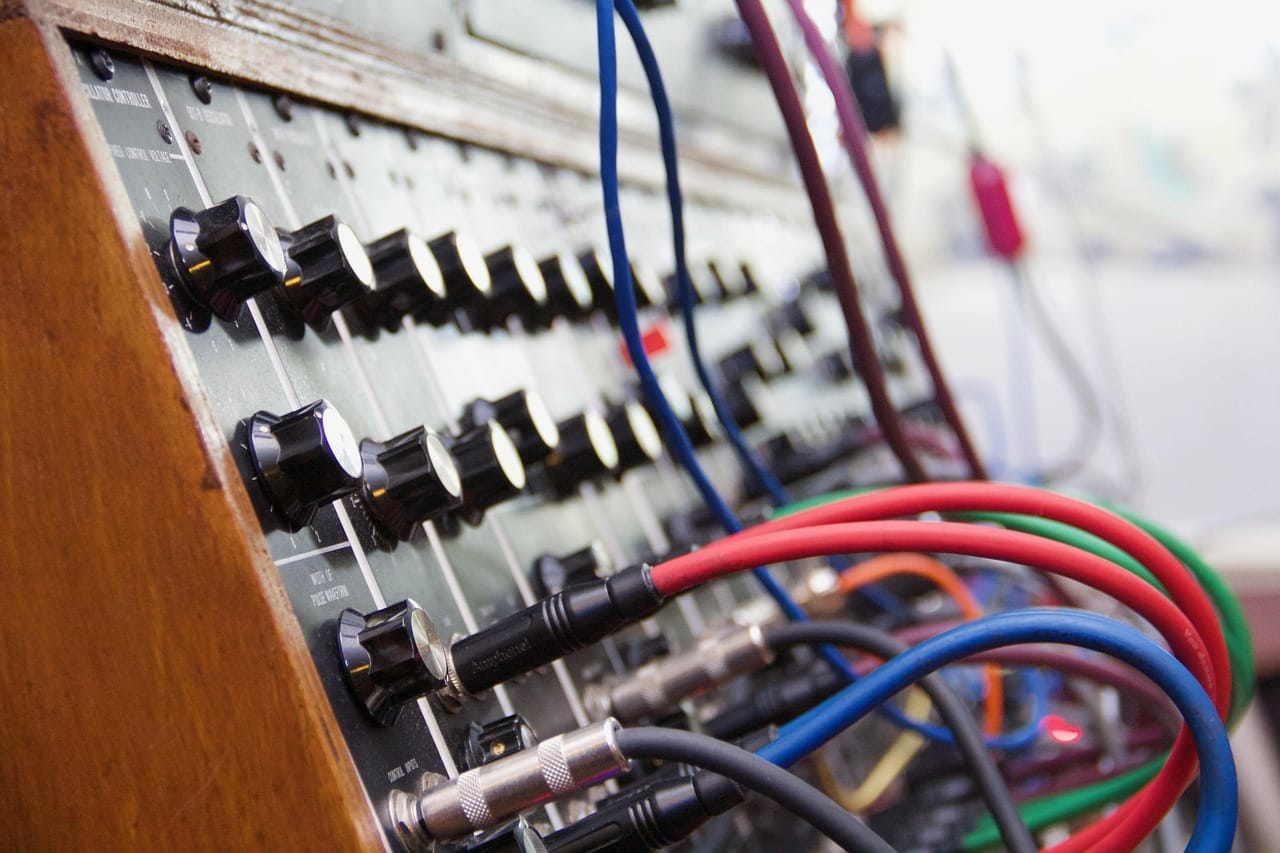
In a converted railway arch, beneath the rumble of the eight-fifteen, a wall of wires hangs like wet laundry. Each cable connects two small metal boxes. Each box does one simple thing to an electrical signal. Together, patched and tweaked for hours, they make a sound that no laptop in the world can quite reproduce.
Analogue synthesisers were supposed to be obsolete by 2005. Twenty years later, they are the most sought-after instruments in electronic music.
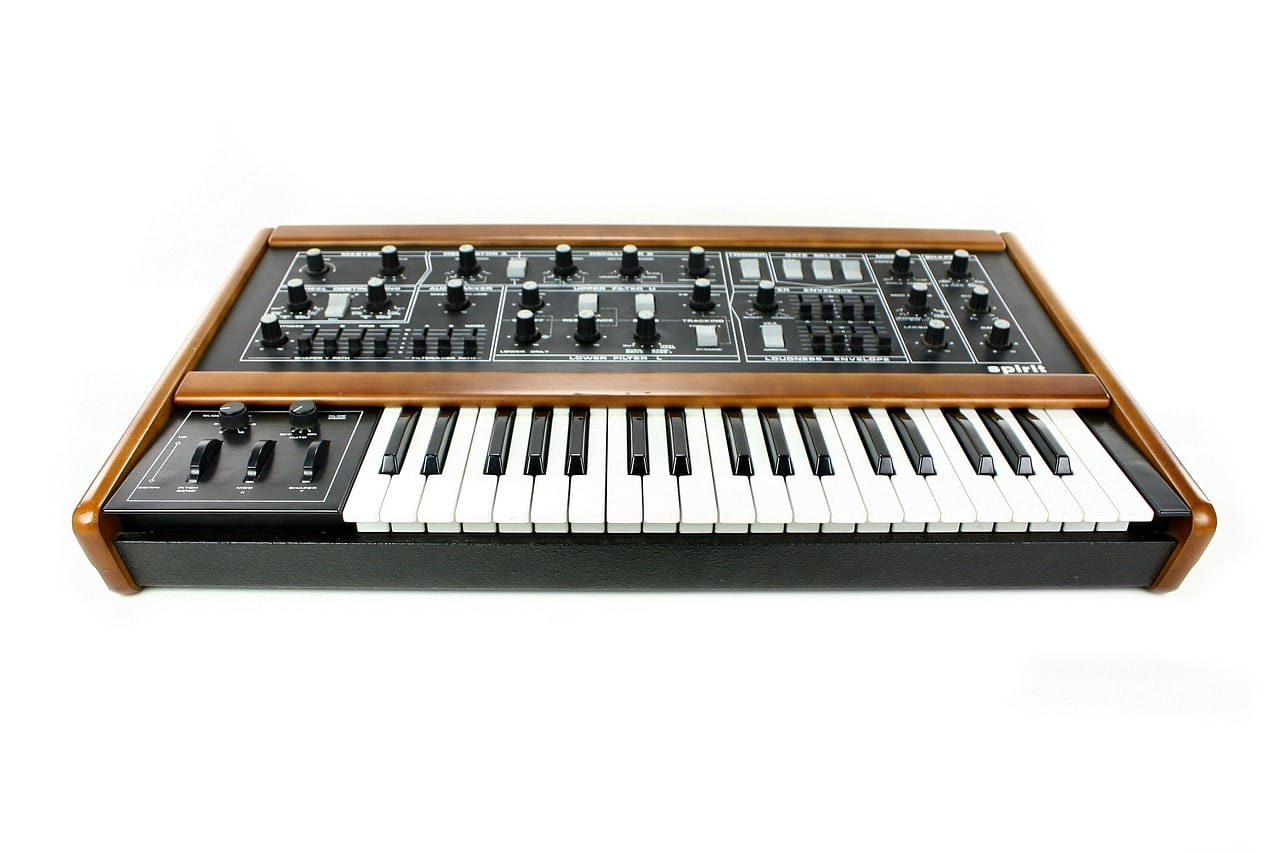
Why the old machines came back
The first wave of analogue synthesisers, built in the 1960s and 70s, were enormous, unreliable and expensive. When digital instruments arrived in the 80s, they were cheaper, more stable and could store sounds at the push of a button. By the 90s you could buy old analogue machines for next to nothing. Many ended up in skips.
Then producers started noticing what they had lost. Analogue circuits drift. They warm up, change slightly with the temperature of the room, and never play the same note exactly the same way twice. That instability, once seen as a flaw, turned out to be the source of their character.
A digital synth is perfect. An analogue synth is alive. People can hear the difference even if they cannot explain it.
Kofi Mensah, producer